

Judge Tracie Hunter is a former American juvenile court judge from Cincinnati, Ohio, best known for her legal career, youth advocacy, and controversial judicial journey. Judge Tracie Hunter net worth is estimated at around $1 million, although her exact wealth has not been publicly verified.
Her story includes her early life, education, legal career, family background, income sources, and courtroom controversies. Her journey also highlights her involvement in juvenile justice reform and her lasting public impact in Ohio.
Judge Tracie Hunter Profile Summary (Quick Snapshot)
Judge Tracie Hunter, whose full name is Tracie Renee Hunter, is an American attorney and former Hamilton County juvenile court judge from Cincinnati, Ohio. She gained national attention through her judicial career, particularly her efforts to address juvenile justice issues and her highly publicized legal controversy.
Her professional background combines legal education, public service, community advocacy, and involvement in faith-based initiatives. She became a prominent figure in discussions about fairness within the juvenile justice system and the representation of African American women in Ohio’s judiciary.
The following table provides a quick overview of her publicly discussed background.
| Profile Detail | Information |
| Full Name | Tracie Renee Hunter |
| Birth Year | 1967 (commonly reported) |
| Age | Approximately 59 in 2026, if the reported birth year is accurate |
| Birthplace | Cincinnati, Ohio, USA |
| Nationality | American |
| Profession | Attorney, former juvenile court judge, community advocate |
| Education | Miami University |
| Law School | University of Cincinnati College of Law |
| Degree | Juris Doctor (J.D.) |
| Court Association | Hamilton County Juvenile Court |
| Election Campaign | 2010 |
| Judicial Career | Elected in 2010; judicial service began in 2012 |
| Estimated Net Worth | Around $1 million (unverified estimate) |
| Parents | John Hunter and Annie Hunter (reported) |
| Sibling | Steven Hunter (reported) |
| Children | Two (reported) |
These details provide a general introduction to her background. However, some personal and financial information is not supported by publicly available documentation, so reported figures should be treated as estimates rather than confirmed facts.
Judge Tracie Hunter Net Worth in 2026: Realistic Estimate
The estimated Judge Tracie Hunter net worth in 2026 is approximately $1 million, although there is no publicly verified financial statement establishing this amount. Her wealth is generally attributed to her legal profession, judicial salary, and professional activities rather than celebrity endorsements, entertainment contracts, or large commercial ventures.
Unlike celebrities and television personalities, judges generally earn income through structured public-sector compensation. Their financial position depends on employment history, savings, property ownership, investments, and other legitimate income sources.
The estimated figure of $1 million is best understood as an indicative estimate associated with discussions of her financial position during 2024–2025 and carried forward into 2026. It should not be interpreted as a verified current valuation.
Several factors make estimating her wealth difficult:
- Limited financial disclosures: Her complete assets, investments, debts, and property holdings are not publicly established.
- Public-sector compensation: Judicial salaries provide stable professional income but do not automatically create substantial wealth.
- Career disruption: Legal controversy and changes in professional circumstances may have affected her earning opportunities.
- Private financial information: Savings, retirement accounts, and personal investments are not fully documented.
Therefore, a realistic assessment should distinguish between her estimated net worth and her documented professional earnings. The two figures are not interchangeable.
Judge Tracie Hunter Net Worth & Income Sources Explained
Understanding Tracie Hunter’s financial position requires looking at her professional history and the different ways legal professionals can earn income. Her career included public-sector judicial work, legal practice, and community involvement. However, there is no verified public record confirming that she earned substantial income from consulting, speaking engagements, or private business activities.
The following five income categories help explain the potential sources associated with her professional background.
Judicial Salary (Core Income Source)
A judicial salary was one of the most identifiable potential income sources during Hunter’s time on the bench. She served as a Hamilton County Juvenile Court judge from May 2012 until January 2014. Judges in Ohio receive public-sector compensation determined by their judicial position and applicable state salary schedules.
The proposed annual range of $120,000 to $160,000 is a broad estimate for discussing judicial compensation, not a verified record of Hunter’s individual salary. Her actual earnings would have depended on the applicable salary schedule and the period she served.
Judicial employment can provide several financial benefits, including regular income, retirement-related benefits where eligible, and professional stability. However, Hunter’s judicial tenure was relatively short, meaning it should not be treated as evidence of decades of accumulated judicial earnings.
Legal Career Before Becoming a Judge
Before becoming a judge, Hunter developed her professional background through legal education and work in public service. She was admitted to the Ohio Bar in 1993, establishing her qualification to practice law in Ohio.
Her work as a public defender and legal advocate is particularly relevant to understanding her professional identity. Public defenders represent people who cannot afford private legal representation, helping them navigate criminal proceedings and understand their legal rights.
This type of legal work is important because it provides courtroom experience, knowledge of legal procedures, and direct exposure to the challenges faced by individuals with limited financial resources.
Unlike private attorneys who may earn substantial fees from corporate clients, public defenders generally work within government or publicly funded legal structures. Their earnings are therefore more closely connected to employment compensation than private commercial success.
Legal Consulting Income
Legal consulting is another possible income category associated with an experienced attorney. Consultants may provide guidance on legal procedures, compliance, case preparation, and justice-related policies.
Hunter’s experience in juvenile justice and the court system could offer professional knowledge relevant to legal education and advisory activities. However, there is no reliable public evidence establishing her current consulting business, clients, contracts, or annual consulting income.
It would therefore be inaccurate to assign a specific amount to her legal consulting income or automatically include hypothetical consulting earnings in her net worth.
Public Speaking Income
Public speaking can create additional opportunities for former judges, attorneys, and community leaders. Experienced legal professionals are sometimes invited to speak at educational institutions, conferences, community meetings, and justice reform events.
Hunter’s public profile and experiences with the juvenile justice system may make her perspective relevant to discussions about judicial accountability, legal fairness, and reform.
Possible speaking opportunities include justice reform panels, community advocacy events, youth empowerment programs, and faith-based gatherings. Nevertheless, public appearances do not necessarily involve payment. There is no verified information establishing her speaking fees or total public speaking income.
Grassroots and Community Funding
Grassroots and community funding is different from personal income. It generally refers to financial support collected by community organizations, advocacy groups, or campaigns to support specific activities.
Hunter’s public profile has been associated with community advocacy and discussions about fairness in the justice system. Supporters may contribute to initiatives, events, or legal advocacy efforts connected with a public figure.
However, donations made to nonprofits, churches, campaigns, or community organizations should not be counted as an individual’s personal wealth unless there is evidence that the money was legally paid to that individual.
This distinction is important when evaluating Tracie Hunter net worth because community support and personal financial assets are two entirely different things.
Judge Tracie Hunter vs Other Legal Figures Net Worth

Comparing Hunter’s estimated wealth with other legal personalities helps explain the financial differences between public service and entertainment-based careers.
Judges generally receive structured salaries, while television personalities and celebrity judges can generate income through entertainment contracts, advertising, media deals, and business partnerships.
The following figures are broad comparison estimates rather than verified financial valuations of individual people.
| Legal Figure Category | Indicative Net Worth Range | Main Income Sources |
| Tracie Hunter | Around $1 million (unverified) | Legal and judicial career |
| Senior federal judges | 1M–5M (illustrative estimate) | Judicial salary, investments, previous careers |
| Private attorneys | Varies considerably | Legal fees, partnerships, consulting |
| TV judge personalities | 10M–40M+ (illustrative estimate) | Television contracts, production, media deals |
The difference is largely connected to earning opportunities. Television judges can receive substantial compensation from entertainment companies, while traditional judges work within government salary structures. Private attorneys may also accumulate considerable wealth through business ownership, corporate representation, and long-term client relationships.
Hunter’s financial profile is better understood through public service rather than celebrity wealth. Her estimated net worth should not be treated as equivalent to the verified fortunes of television personalities.
Judge Tracie Hunter Biography: Early Life and Roots
Tracie Renee Hunter was born in Cincinnati, Ohio, and is commonly reported to have been born in 1967. She developed her professional identity in a city with a complex history of economic inequality, racial representation, and debates about criminal justice.
Her early life is not extensively documented through independently verified public biographies. However, her connection to Cincinnati remained central to her professional career and community involvement.
Hunter became particularly recognized for her position as an African American woman in Ohio’s judicial system. Her election represented an important moment in Hamilton County, where she became the first African American and first Democratic judge elected to its juvenile court.
Her background and public service career also connected her to discussions about opportunities for disadvantaged communities, access to legal representation, and the treatment of young people within the justice system.
Judge Tracie Hunter Education Journey
Education played an important role in Hunter’s development as an attorney and judicial professional. Her academic background includes undergraduate study at Miami University and legal education at the University of Cincinnati College of Law.
Miami University
Oxford, Ohio
Miami University is a public university in Oxford, Ohio, known for its undergraduate education and academic programs.
Hunter attended Miami University before pursuing her legal studies. Her undergraduate education helped establish the academic foundation necessary for entering the legal profession.
Although specific details about her undergraduate major and academic achievements should not be assumed without reliable records, this stage represented an important step toward her eventual career in law.
University of Cincinnati College of Law
Cincinnati, Ohio
University of Cincinnati College of Law provided Hunter with her professional legal education.
She earned a Juris Doctor (J.D.), the degree generally required to pursue admission to the legal profession in the United States. After completing her legal education, she entered the Ohio legal profession and was admitted to the Ohio Bar in 1993.
Her legal qualification enabled her to pursue courtroom work, public service, and eventually judicial office.
Judge Tracie Hunter Career Path: From Advocate to Judge
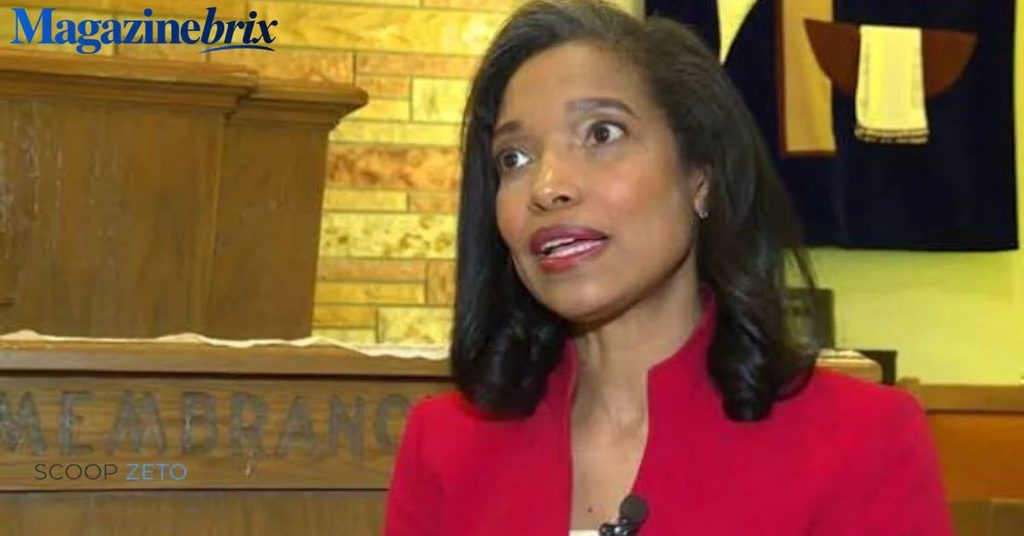
Hunter’s career involved several important transitions, from legal practice to judicial leadership and eventually a period of significant professional disruption.
Early Legal Work
Hunter began her legal career after becoming licensed in Ohio in 1993. Her background included public-interest legal work and advocacy for individuals facing challenges within the justice system.
Her experience as a public defender helped establish her interest in legal fairness and the rights of people navigating criminal proceedings.
Rise to Juvenile Court Judge (2010–2012)
In 2010, Hunter ran for a judgeship in Hamilton County Juvenile Court. Her election became controversial because of disputes involving provisional ballots and the final determination of the election result.
Although elected in 2010, she did not take office immediately. Following legal proceedings concerning the election, she was sworn in on May 25, 2012.
Her appointment was historically significant because she became the first African American and first Democrat to serve as a Hamilton County Juvenile Court judge.
Reform-Focused Judicial Work
During her judicial tenure, Hunter became associated with discussions about juvenile justice reform and the treatment of young defendants.
Juvenile courts deal with cases involving minors, including delinquency proceedings, rehabilitation needs, and matters affecting children’s welfare.
Reform-focused approaches generally emphasize:
- Youth rehabilitation instead of relying exclusively on punishment.
- Fair sentencing for minors based on individual circumstances.
- Reducing unnecessary youth incarceration.
- Educational opportunities and behavioral support.
- Better coordination between families, schools, and community organizations.
These priorities help explain why Hunter attracted attention among people interested in juvenile justice and community advocacy.
Legal Controversy and Career Disruption
Hunter’s judicial career ended amid a major legal controversy. In January 2014, she was indicted, and in October 2014, a jury found her guilty of one felony count of having an unlawful interest in a public contract.
She was sentenced to six months in jail and one year of nonreporting probation. Her conviction was upheld on appeal, and she served her jail sentence in 2019.
In November 2023, the Supreme Court of Ohio imposed an indefinite suspension from practicing law based on the conviction. The court gave her credit for the time she had already spent under interim suspension, making her eligible to seek reinstatement.
Hunter has continued to dispute the allegations and has described the case as politically motivated. Her position should be distinguished from the findings of the courts, which upheld her conviction.
This controversy significantly changed her professional trajectory and became one of the most discussed aspects of her public identity.
Key Career Phases of Judge Tracie Hunter
Hunter’s professional journey can be divided into six major phases that explain her development and the challenges she experienced.
| Career Phase | Period | Main Development |
| Academic foundation | Before 1993 | Undergraduate and legal education |
| Legal qualification | 1993 | Admission to the Ohio Bar |
| Public service | Before 2010 | Legal advocacy and public defender work |
| Election campaign | 2010 | Campaign for juvenile court judge |
| Judicial service | 2012–2014 | Hamilton County Juvenile Court |
| Legal and professional disruption | 2014 onward | Conviction, suspension, and public advocacy |
These six phases show how her career moved from legal education and public service to judicial leadership, followed by a lengthy period of legal challenges and changes in professional status.
Family Background and Personal Life
Tracie Hunter’s family background is part of the personal story frequently discussed in biographical accounts. Her parents are reported to be John Hunter and Annie Hunter, and her brother is identified as Steven Hunter.
Some biographical profiles also report that she has two children. However, detailed information about their identities, occupations, and private lives is not widely established through reliable public documentation.
Hunter has generally maintained a distinction between her public career and her private family life. Her legal controversies and community activities have attracted considerable attention, but that does not mean every detail of her personal relationships is publicly known.
Regarding questions about her marital status, there is insufficient reliable information to confidently establish whether she is currently married. It is important to avoid treating unverified online claims about her family as confirmed biographical facts.
Interesting Facts About Judge Tracie Hunter
Several details make Hunter’s professional and personal journey particularly notable.
- Historic judicial election: She became the first African American and first Democratic judge elected to Hamilton County Juvenile Court.
- Ohio Bar admission: She entered the legal profession in 1993 after completing her legal education.
- Election controversy: Her 2010 election involved disputes over provisional ballots, delaying her assumption of office until 2012.
- Juvenile justice background: Her professional work brought attention to issues involving minors, rehabilitation, and access to justice.
- Legal conviction: She was convicted of having an unlawful interest in a public contract in 2014.
- Professional suspension: The Supreme Court of Ohio imposed an indefinite suspension from legal practice in 2023.
- Religious involvement: She has also become known for her involvement in Christian ministry and faith-based community leadership.
These facts illustrate why Hunter remains a recognizable figure in discussions about Ohio’s judiciary, legal accountability, and community advocacy.
Philanthropy and Community Work

Community involvement has remained an important part of Hunter’s public identity. Her interests and public activities have been associated with social justice, faith-based outreach, and efforts to support communities facing economic and social challenges.
Her background in juvenile justice also connects with broader conversations about youth mentorship programs, educational access, and rehabilitation opportunities.
Community initiatives in these areas can provide meaningful benefits by connecting young people with supportive adults, educational resources, and positive development opportunities.
Hunter’s public profile has also included faith-based leadership. Churches and religious organizations often contribute to community development through food assistance, mentorship, family support, and neighborhood outreach.
However, there is a distinction between participating in community activities and operating a formally registered charitable organization. Specific claims about personal donations, nonprofit ownership, or the amount of money she has contributed should not be treated as established without financial documentation.
Her community involvement is therefore best understood through her public advocacy and religious engagement rather than unsupported financial claims.
Where Is Judge Tracie Hunter Now (2026)?
As of November 2026, Tracie Hunter remains publicly associated with Cincinnati, Ohio, and is known as a former Hamilton County Juvenile Court judge and Christian minister.
She is no longer serving as a juvenile court judge. Her judicial tenure ended in January 2014, and her subsequent legal challenges significantly changed her professional direction.
In September 2026, she appeared in media interviews discussing her conviction, her continued efforts to clear her name, and her experiences within Ohio’s judicial system.
Her professional status also requires an important distinction. The Supreme Court of Ohio imposed an indefinite suspension from practicing law in November 2023. Although she became eligible to seek reinstatement, eligibility does not automatically restore her license.
Her current public identity includes several areas:
- Former juvenile court judge in Hamilton County.
- Christian minister and faith-based community leader.
- Public commentator on judicial accountability.
- Advocate discussing her legal case and experiences.
- Participant in community and public justice discussions.
Her activities demonstrate that her public life continued after her judicial career ended, although her present professional income and complete financial circumstances are not publicly verified.
Legacy and Public Impact
Tracie Hunter’s legacy is complicated because her judicial career involved both historic representation and a major criminal conviction.
Her story raises questions about public service, judicial accountability, political disagreements, and the challenges faced by individuals working within established legal institutions.
Positive Impact
One important aspect of Hunter’s legacy is her historic election. Her position represented increased African American representation within Hamilton County’s judicial system.
Her professional background also brought attention to juvenile justice issues, especially the need to consider rehabilitation, education, and the circumstances of young defendants.
Her broader public advocacy has contributed to conversations about:
- Equal access to legal representation.
- Fair treatment within the juvenile justice system.
- Youth rehabilitation and community support.
- Representation of African American women in public institutions.
- Judicial accountability and transparency.
Her experience also highlights the importance of ensuring that young people receive appropriate legal attention and opportunities to improve their circumstances.
Judge Tracie Hunter Net Worth (2026)
Controversial Legacy
Hunter’s felony conviction and subsequent indefinite suspension remain central to how her career is evaluated.
The legal proceedings involved allegations concerning an unlawful interest in a public contract. The jury returned a guilty verdict in 2014, and subsequent appeals did not overturn the conviction.
Hunter has consistently maintained that she was treated unfairly and has continued to challenge the circumstances surrounding her case.
This disagreement between her personal position and the established court outcomes has contributed to continuing public scrutiny.
Her legacy therefore involves two distinct perspectives: her historic achievement as a judicial figure and the legal consequences that ended her judicial career.
Ultimately, her story illustrates the difference between public service and commercial success. Her estimated wealth may attract attention, but her broader significance comes from her influence on discussions about justice, representation, and the responsibilities associated with public office.
Frequently Asked Questions
What is Judge Tracie Hunter net worth in 2026?
Judge Tracie Hunter’s estimated net worth is approximately $1 million. However, this is an unverified estimate rather than a figure established through public financial disclosures. Her legal career, previous judicial employment, and professional activities are possible factors in her financial background.
Is Tracie Hunter still a judge?
No. Tracie Hunter is a former Hamilton County Juvenile Court judge. She served from May 2012 until January 2014. Her judicial career ended following the legal proceedings associated with her felony conviction.
What did Tracie Hunter do?
Tracie Hunter was convicted in 2014 of having an unlawful interest in a public contract while serving as a juvenile court judge. She received a six-month jail sentence and one year of nonreporting probation. She has disputed the conviction, but her appeals were unsuccessful.
Is Tracie Hunter a pastor?
Yes. She has been publicly identified as a Christian minister associated with Western Hills Church of the United Brethren in Christ in Cincinnati. Her religious involvement represents an important part of her public activities outside her former judicial position.
Is Judge Tracie Hunter married?
Her current marital status is not reliably established in widely available public information. Although some biographical accounts discuss her family and children, detailed information about her marriage should not be assumed.
How old is Tracie Hunter in 2026?
If the commonly reported birth year of 1967 is accurate, she would be approximately 59 years old in 2026. Her exact birth date has not been consistently established in reliable public biographical records.
How long did Tracie Hunter serve as a judge?
Hunter served as a Hamilton County Juvenile Court judge from May 2012 until January 2014, approximately 20 months.
Can Tracie Hunter practice law again?
The Supreme Court of Ohio imposed an indefinite suspension in November 2023. She is eligible to apply for reinstatement, but she cannot simply resume practicing law without satisfying the applicable reinstatement requirements.
What is the main source of Judge Tracie Hunter’s wealth?
Her professional legal background and judicial employment are the most identifiable historical income sources. However, her complete financial portfolio, including investments, property, savings, and other earnings, has not been publicly verified.
Conclusion
Judge Tracie Hunter’s life story combines legal achievement, historic representation, public service, and significant professional controversy. Her election to Hamilton County Juvenile Court made her an important figure in Cincinnati’s judicial history, while her subsequent conviction and indefinite suspension fundamentally changed her career.
Her estimated net worth of approximately $1 million should be treated cautiously because no verified financial disclosure confirms that amount. Her judicial salary, earlier legal work, and possible professional activities provide context for understanding her financial background, but specific additional income sources remain undocumented.
As of 2026, Hunter is best described as a former judge, Christian minister, and public advocate whose experiences continue to generate discussions about juvenile justice, judicial accountability, and representation in the American legal system. Her legacy extends beyond financial estimates, reflecting the complicated relationship between public service, personal convictions, and the consequences of legal accountability.